


4 Mistakes to Avoid for Successful Public Lighting Projects
For local governments, public lighting has clearly become a strategic tool: it enhances safety, beautifies the living environment, and boosts the appeal of communities. But its impact doesn’t stop there. It also affects biodiversity, the quality of the night sky, and, of course, municipal budgets—particularly through energy consumption. This is an issue that should not be underestimated.
With GROUPE RAGNI, discover the four mistakes to avoid to ensure the success of your public lighting projects, whether they involve new installations or renovations. Because well-designed lighting leads to a community that gains in efficiency, sustainability, and harmony.
1 – Assuming that lighting should be the same everywhere
Every project requires its own lighting solution. In fact, lighting can be adapted in many ways. It is essential to take the time to understand the space’s intended use, its location, its timing, and the surrounding environment in order to best tailor the solution to its specific characteristics.
Lighting Where It’s Needed
It’s important to light only the areas in use, without generating unnecessary light.
- Illuminance studies will help you assess the required luminous flux and thus avoid lighting areas that should remain in darkness.
- Dynamic lighting fixtures will also allow you to adjust the photometric characteristics to suit the specific use.
Lighting When Necessary
If there are no users present, there is no need to illuminate the space.
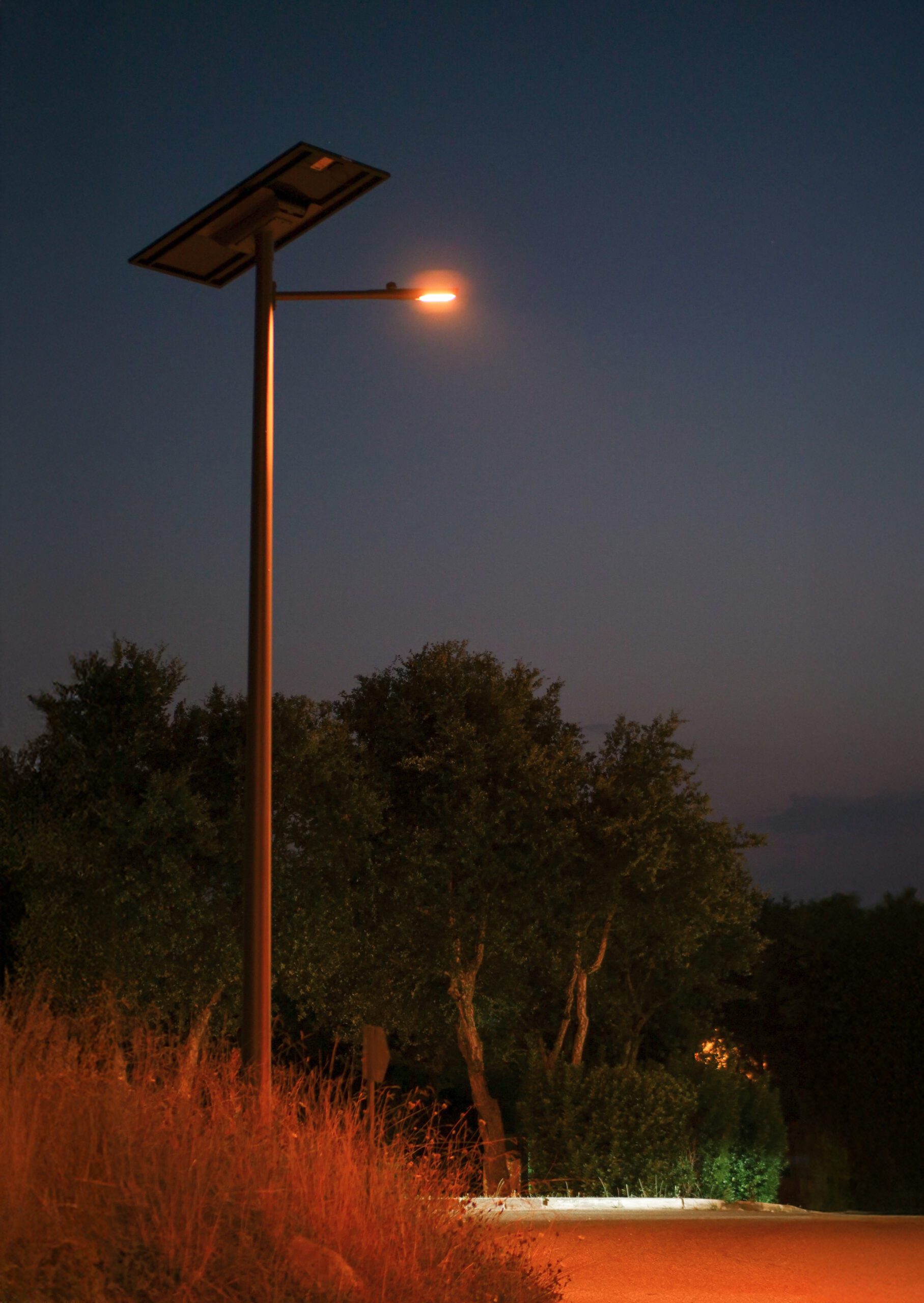

- Nighttime dimming solutions, which can include turning off the lights at specific times, can be implemented.
- Smart motion sensors, which trigger a sequence of lights at specific times, can also be installed.
These two features will help you improve the solution’s performance.
For grid-connected lighting, you’ll achieve the lowest possible energy consumption. For off-grid solar lighting, you’ll have the solution best tailored to your needs—and therefore the most cost-effective one.
It is, of course, essential to standardize the overall approach in order to preserve the harmony of the built environment, which leads to the next point.
2 – View a streetlight as simply… a streetlight
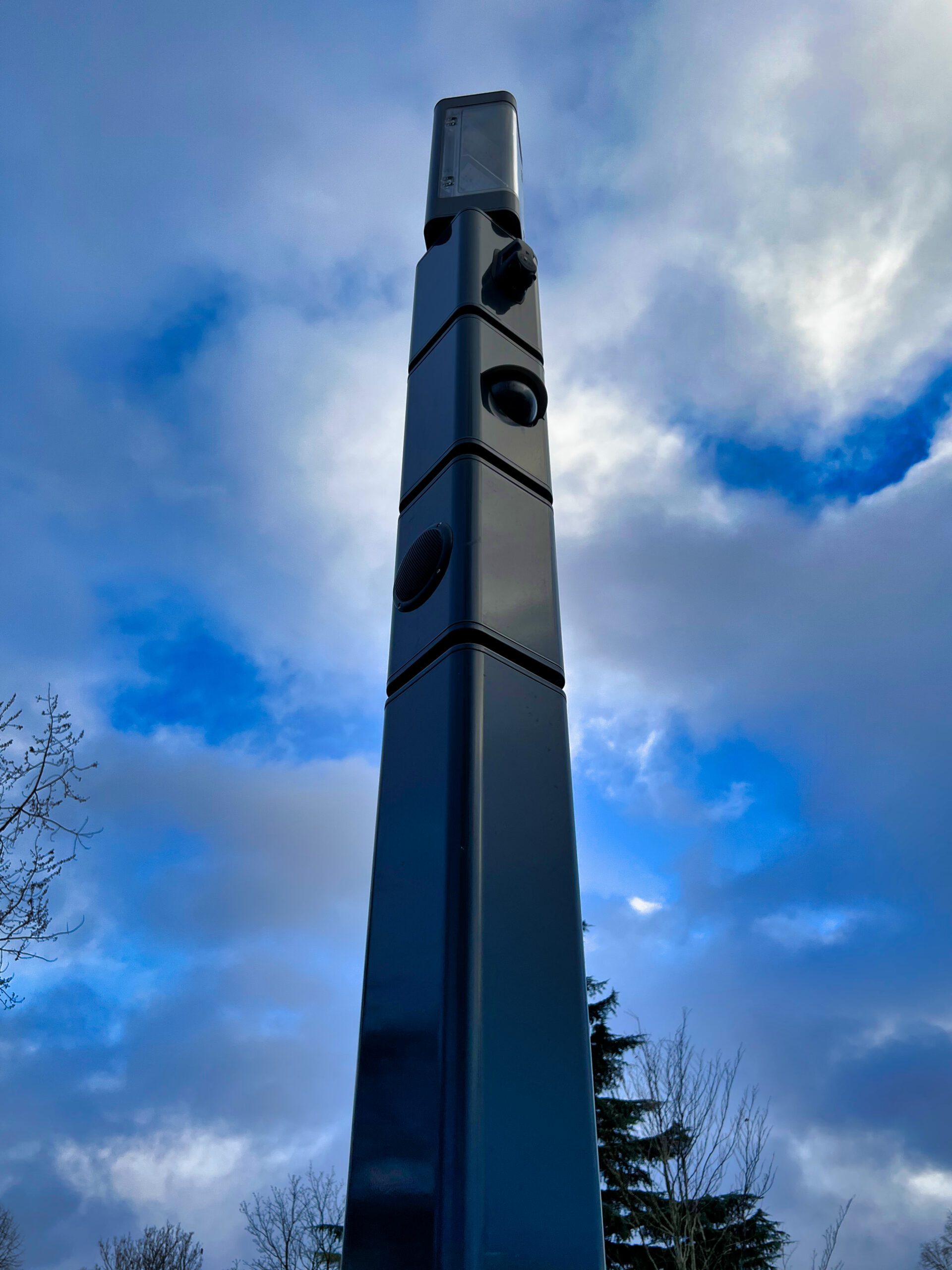
These days, a streetlight is no longer just a source of light: it has become a true multi-purpose fixture, and there are many options available.
First, customize it to blend in with the local architecture, using:
- a distinctive overall design,
- a specific paint finish,
- a custom cutout.
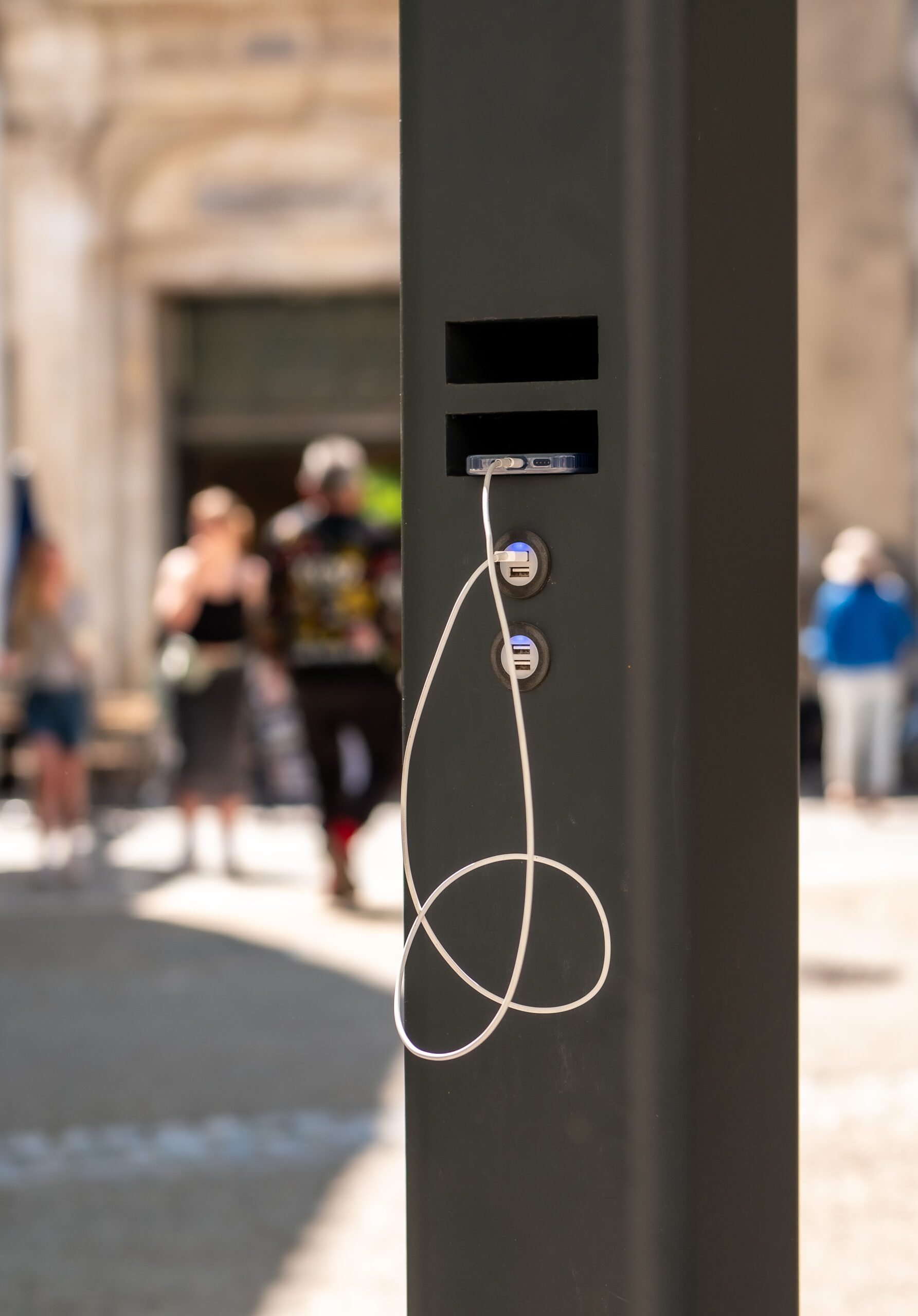
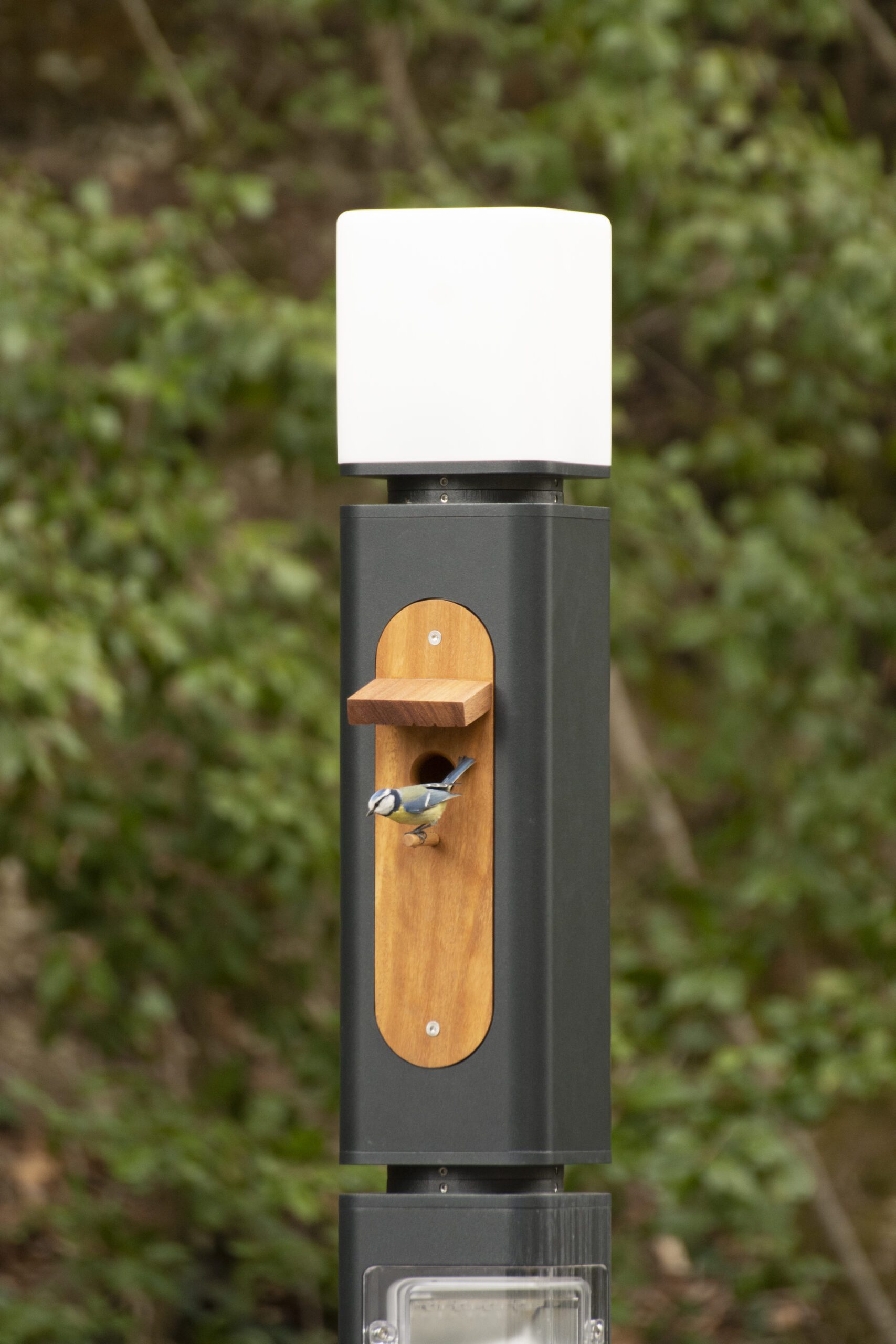
Consider equipping it with practical accessories for the community:
Charging: USB module for charging smartphones—charging stations for sustainable transportation
Security: Video surveillance cameras
Communication: Speakers and/or Gobo—banners for community announcements
For wildlife: Birdhouses for small birds such as chickadees
3 – Ignoring the Ecosystem and Its Environment
Every region has its own natural ecosystems. It is essential to design lighting that is understated and well-considered to minimize the impact of light on living organisms, in the broadest sense.
GROUPE RAGNI created HARMOLIGHT® to provide lighting that is in harmony with living organisms.
With HARMOLIGHT®:
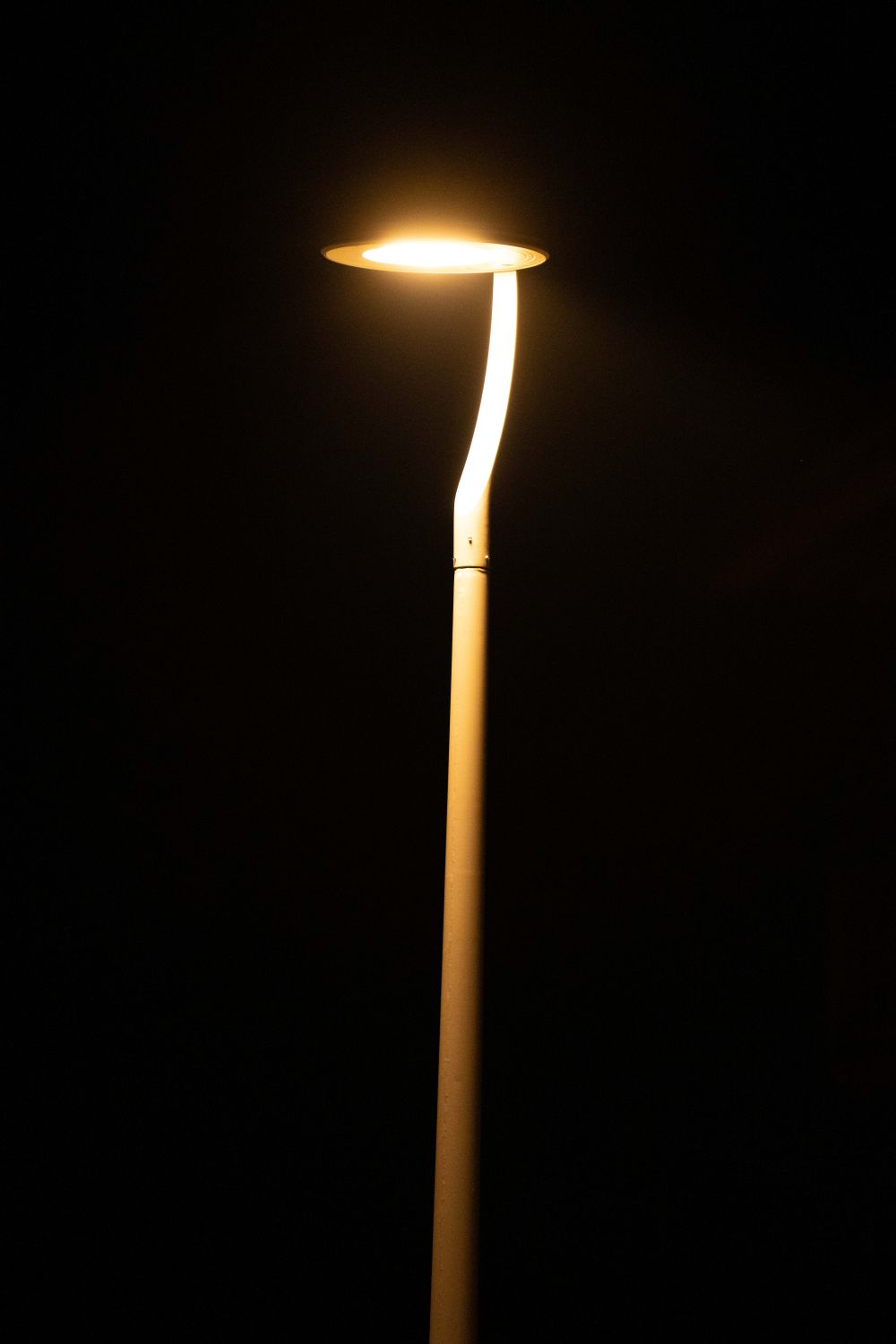
- Adapt the color temperature to each space to be as respectful as possible of flora and fauna;
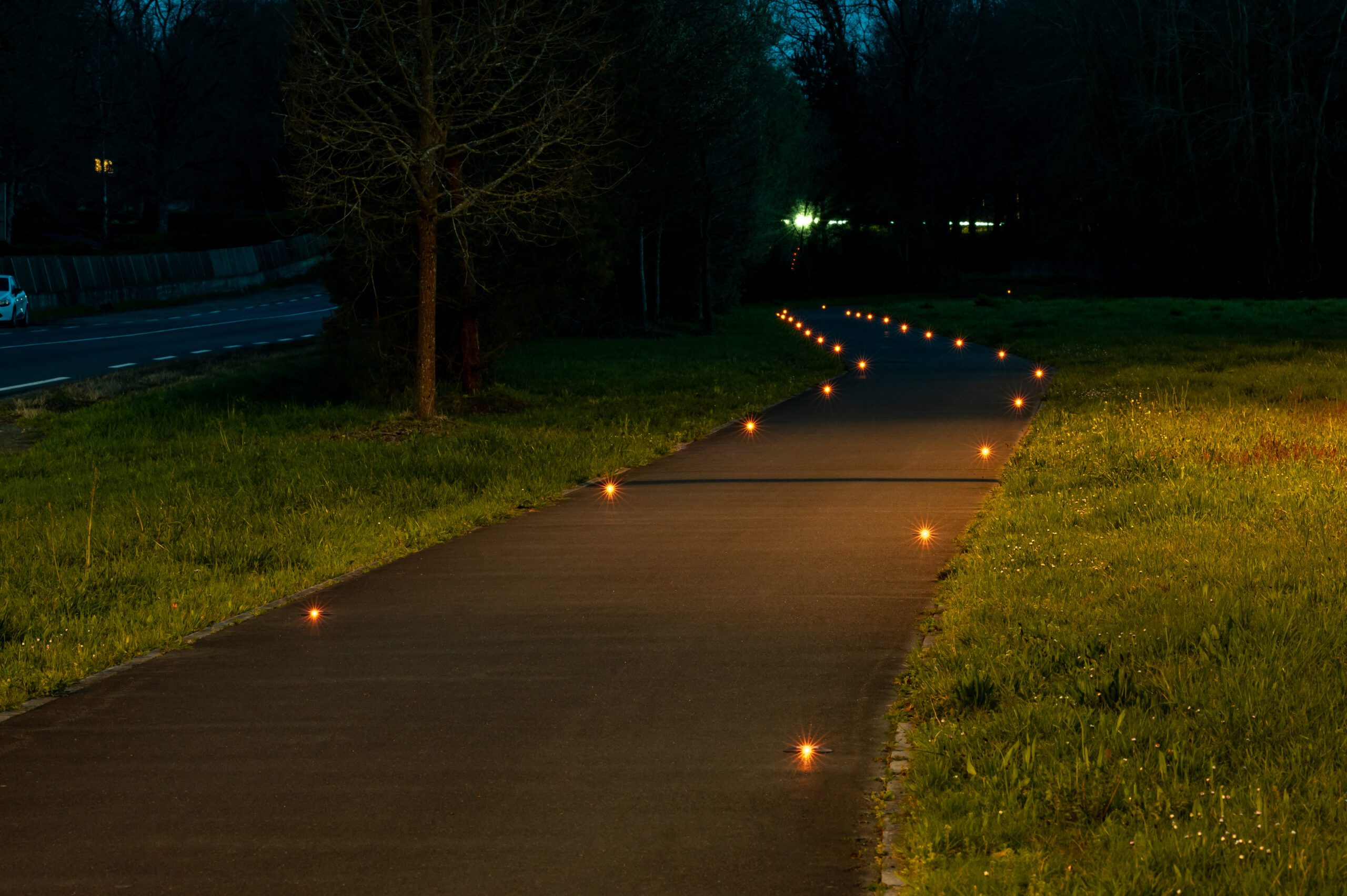
- Adjust the optics to preserve areas of darkness and limit the impact on biodiversity while preserving the starry sky;
- Light only when necessary, with timing adapted to the various nighttime users;
- Thanks to autonomous solar solutions, avoid civil engineering work, noise, and CO₂ emissions.
GROUPE RAGNI stands by your side with 100% French and local production—a key asset for strengthening your responsible procurement policy while reducing the carbon footprint associated with transportation. Fewer kilometers, greater transparency, and a positive impact on your CSR goals.
4 – Not planning ahead
A public lighting project is an investment spanning more than 20 years: its success also depends on its maintainability and future-proofness—two essential pillars for ensuring the safety of your infrastructure and guaranteeing optimal service to citizens.
Equipment Maintainability
Choosing high-quality equipment is good. Being able to maintain it easily is better. Simplified maintenance ensures the longevity of your installations and minimizes hidden costs, while maintaining the quality of service for users.
Scalability
Cities evolve, and so do technologies. Your public lighting must keep pace with these changes.
Ensuring the scalability of your luminaires means:
- Optimized performance through technological updates.
- New features integrated without having to replace everything.
- Enhanced interoperability—particularly through remote management—to connect your luminaires to other urban services.
Public lighting primarily uses the Zhaga Book 13, 15, and 18 standards, which allow municipalities to maintain their solutions using standard components that are more readily available than proprietary solutions. Because this equipment is standardized, you can take advantage of next-generation technology
and thus benefit from new features.
The result: greater flexibility, simplified updates, and preserved resources.
In conclusion
By avoiding these four mistakes, your public lighting project will meet the expectations of all stakeholders (local governments, users, and biodiversity) to achieve a sustainable, inclusive, and responsible outcome. From analyzing your needs to commissioning the system, we’ll work with you to deliver high-performance, future-proof lighting that aligns with sustainability goals.