


4 erreurs à éviter pour réussir vos projets d’éclairage public
Pour les collectivités, l’éclairage public est clairement devenu un levier stratégique : il renforce la sécurité, sublime le cadre de vie et améliore l’attractivité des territoires. Mais son impact ne s’arrête pas là. Il influence aussi la biodiversité, la qualité du ciel étoilé et, bien sûr, les budgets communaux, notamment à travers la consommation énergétique. Un sujet à ne surtout pas sous-estimer.
Avec le GROUPE RAGNI, découvrez les 4 erreurs à éviter pour réussir vos projets d’éclairage public, qu’il s’agisse de créations neuves ou de rénovations. Parce qu’un éclairage bien pensé, c’est un territoire qui gagne en efficacité, en durabilité et en harmonie.
1 – Penser que l’éclairage doit être le même partout
À chaque projet son éclairage. En effet, la lumière peut être adaptée de bien des manières. Il est essentiel de prendre le temps de comprendre l’usage du lieu, sa localisation, sa temporalité et l’environnement du site afin de dimensionner au mieux la solution en fonction de ce qui le caractérise.
Éclairer où il faut
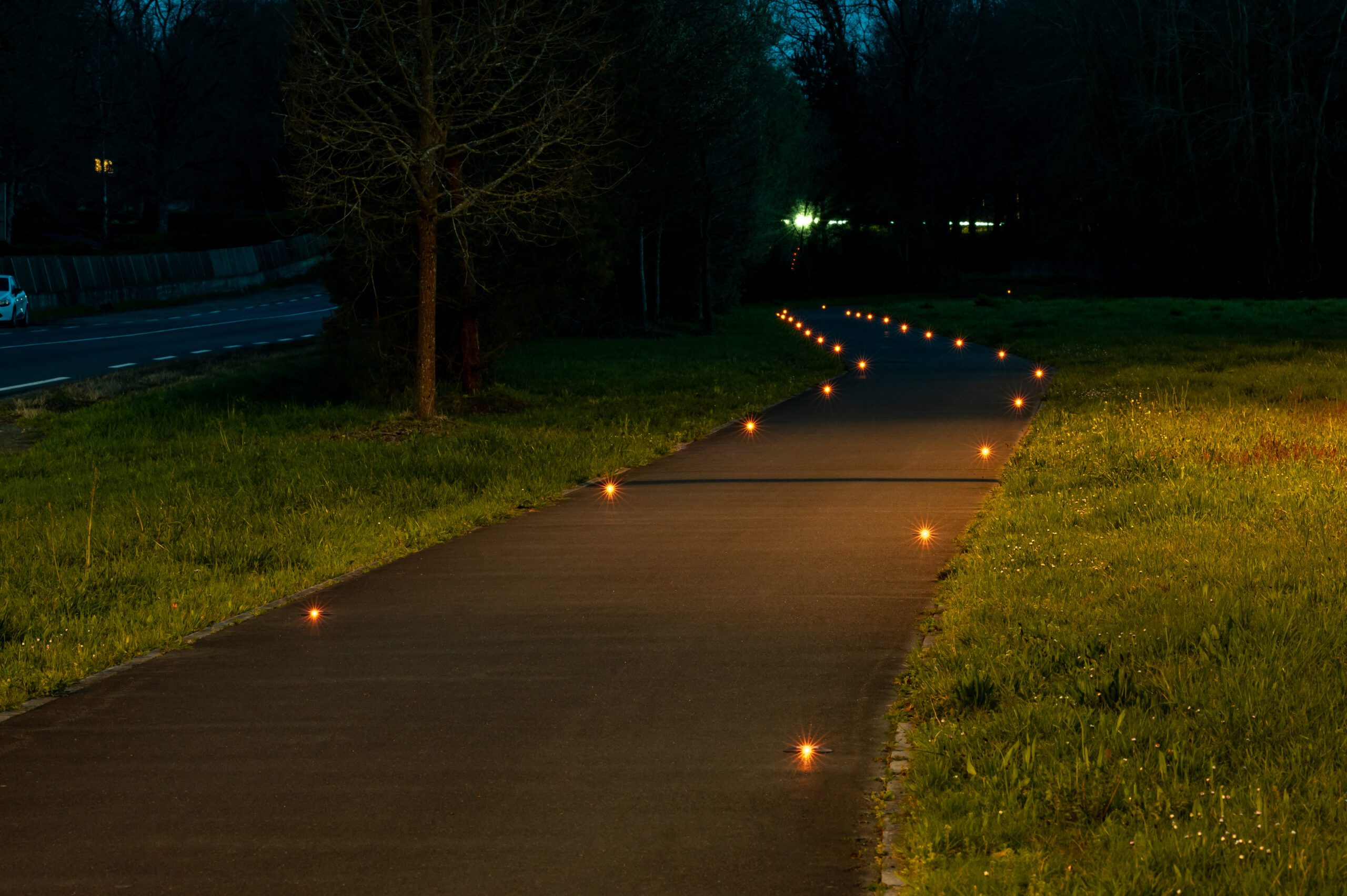
Il est important de n’éclairer que les lieux d’usage, sans générer de lumière inutile.
- Des études d’éclairement vous permettront d’évaluer le flux lumineux utile et donc d’éviter d’éclairer des zones qui doivent rester dans l’obscurité
- Des luminaires dynamiques permettront également d’ajuster la photométrie au type d’usage.
Éclairer quand il faut
S’il n’y a pas d’usager, il n’est pas utile de mettre le lieu en lumière.
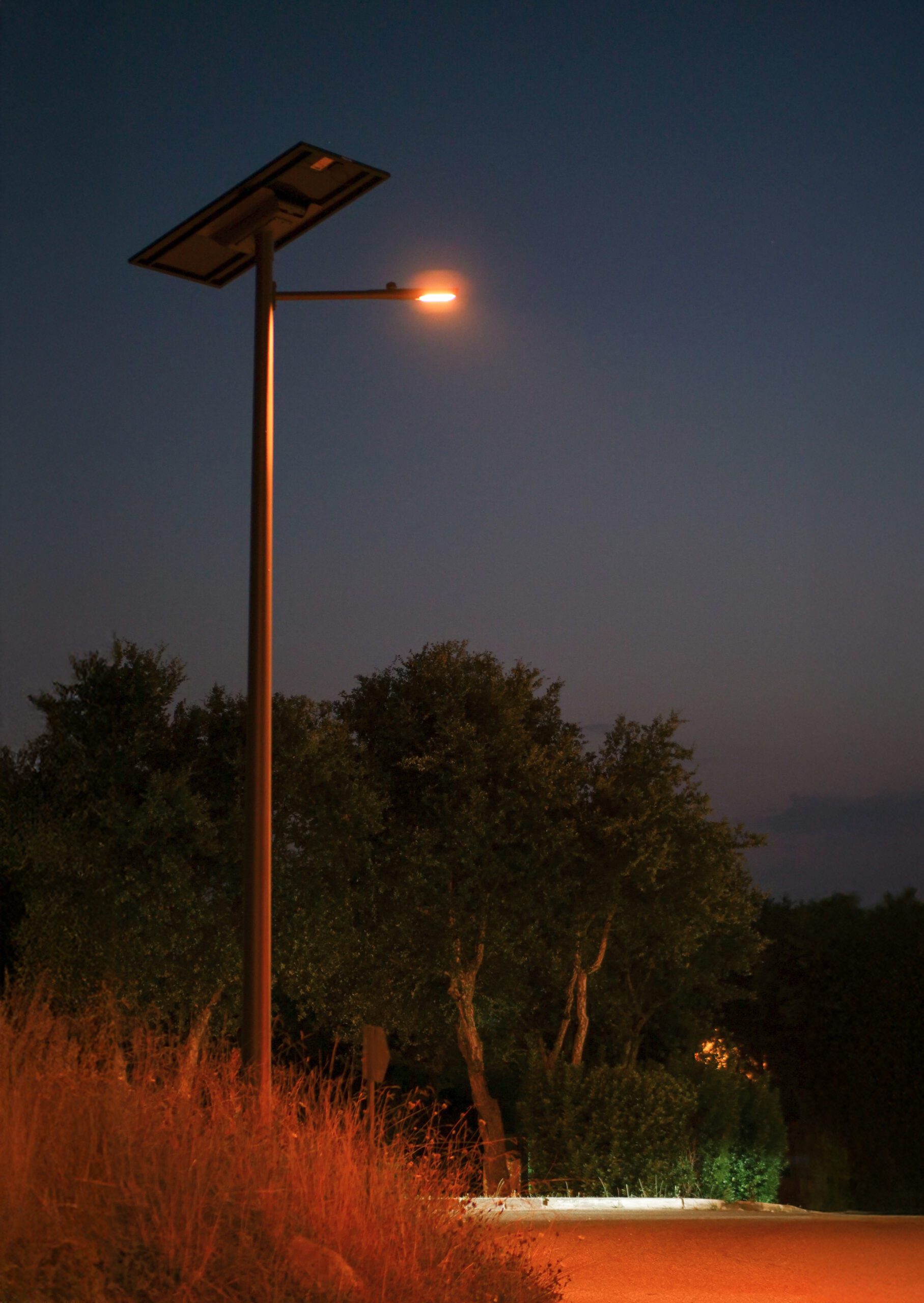
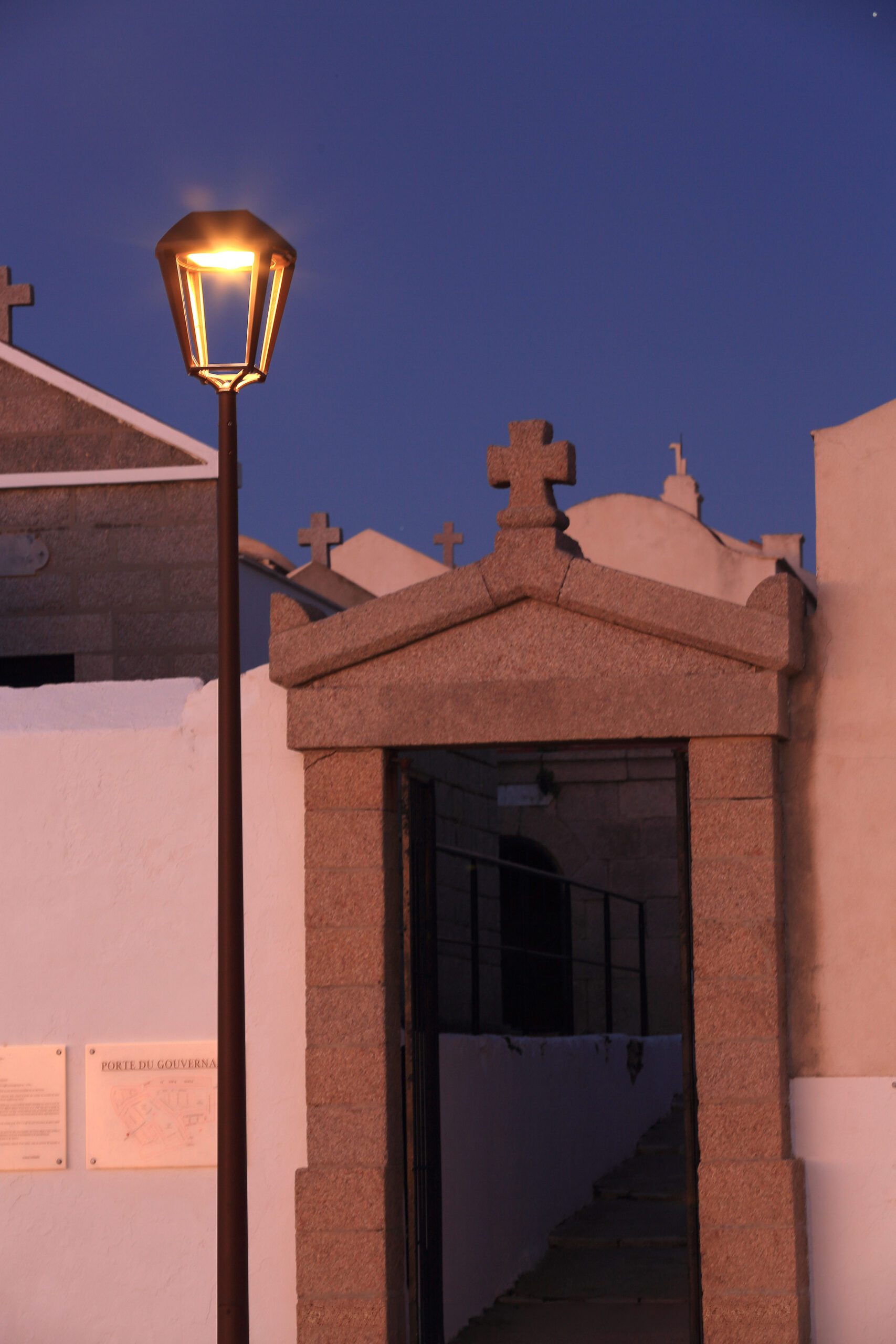
- Des solutions de gradation nocturne, pouvant aller jusqu’à l’extinction à des horaires spécifiques, peuvent être mises en place.
- Des capteurs de présence communicants, générant un train de lumière à des horaires spécifiques, peuvent également être installés.
Ces deux éléments vous permettront d’améliorer les performances de la solution.
Sur un éclairage raccordé au réseau, vous obtiendrez la plus faible consommation d’énergie possible. Sur un éclairage solaire autonome, vous disposerez de la solution la plus ajustée au besoin, et donc de la plus économique.
Il est évidemment essentiel d’uniformiser l’approche globale afin de préserver l’harmonisation du patrimoine, ce qui mène au point suivant.
2 – Voir un lampadaire comme un simple… lampadaire
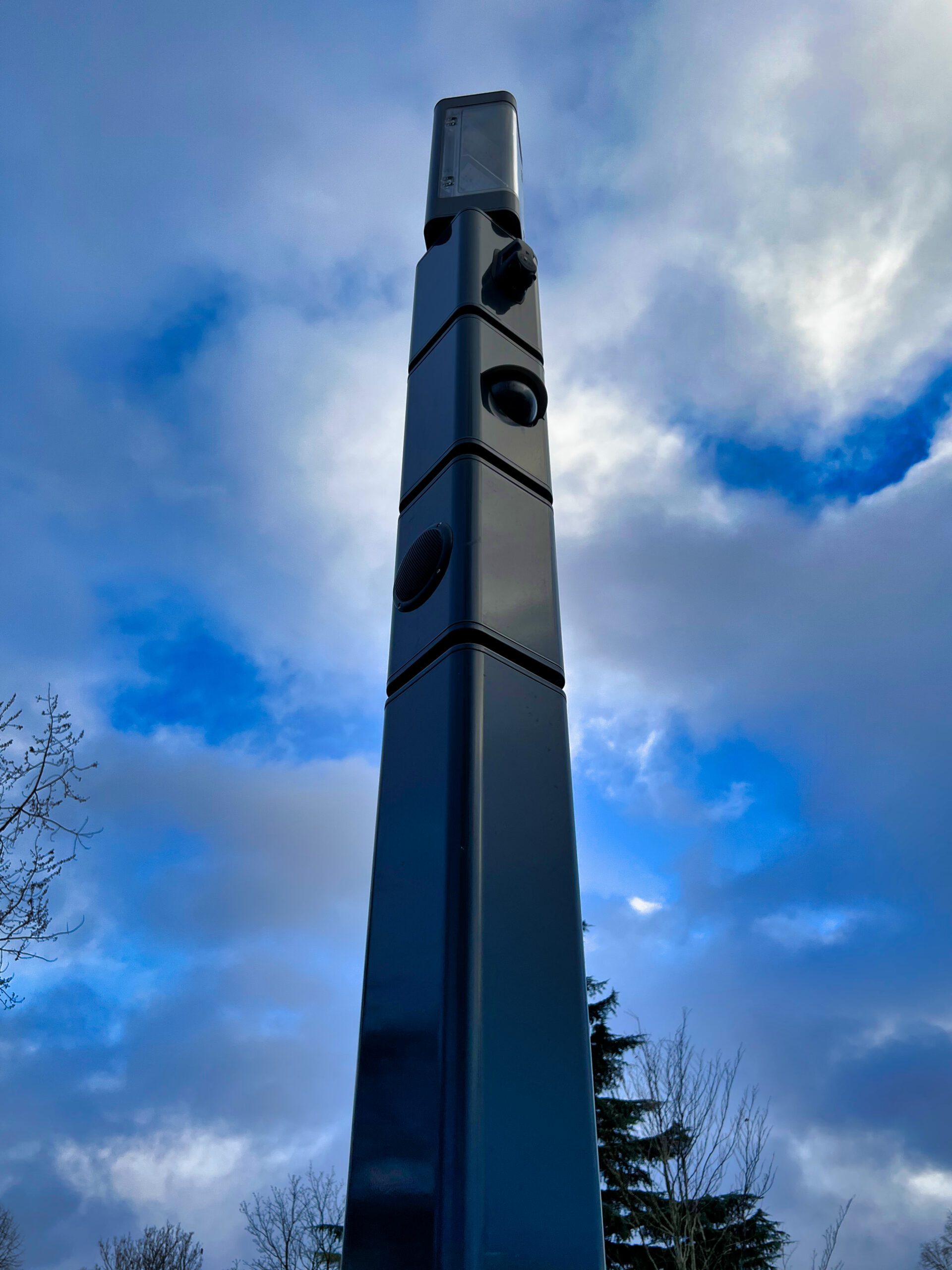
De nos jours, un réverbère n’est plus un simple éclairage : il devient un véritable support multi-usages, et de nombreuses options existent.
D’abord, personnalisez-le pour l’intégrer à l’architecture locale, avec :
- un design global identitaire,
- une peinture spécifique,
- une découpe sur mesure.
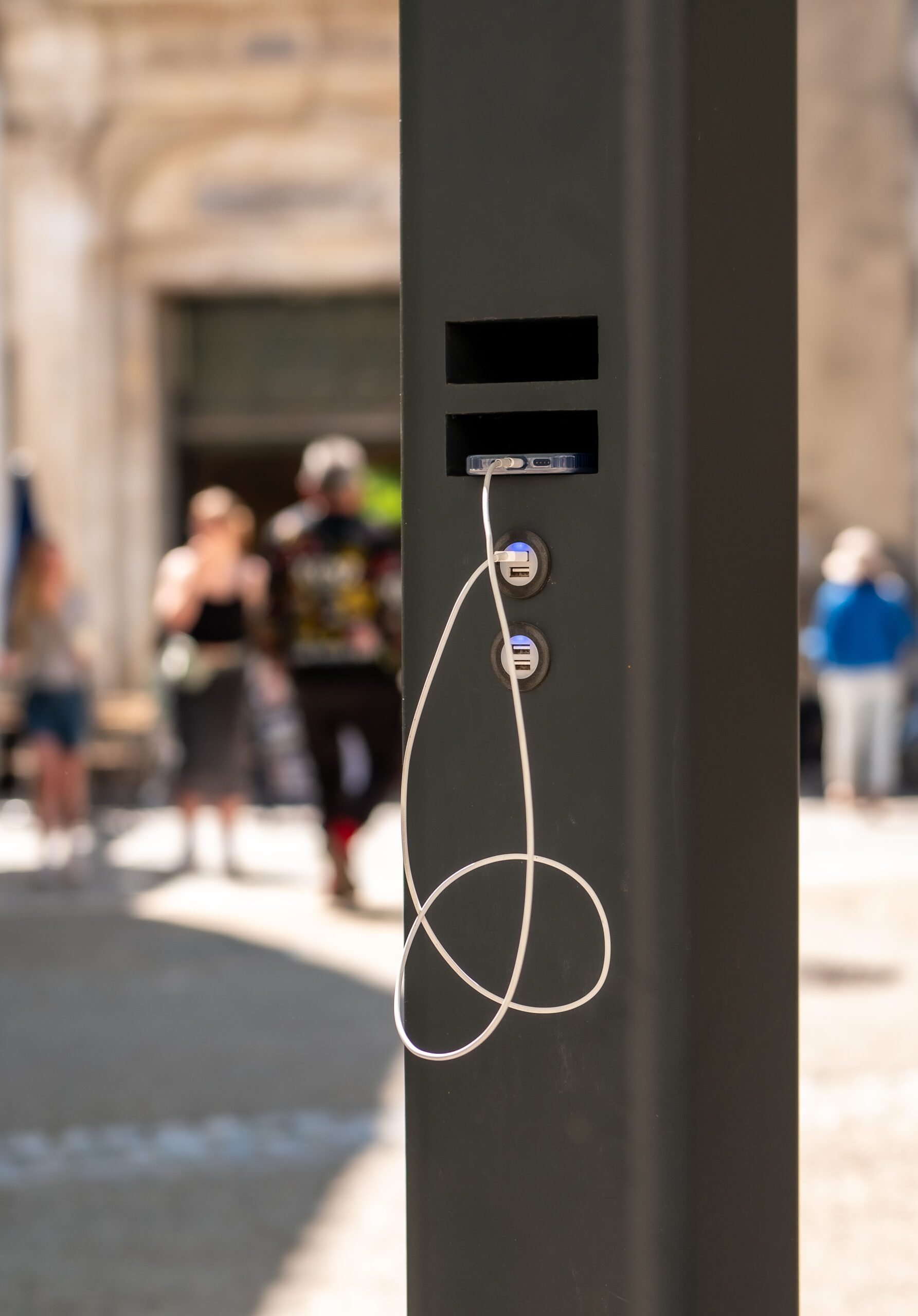
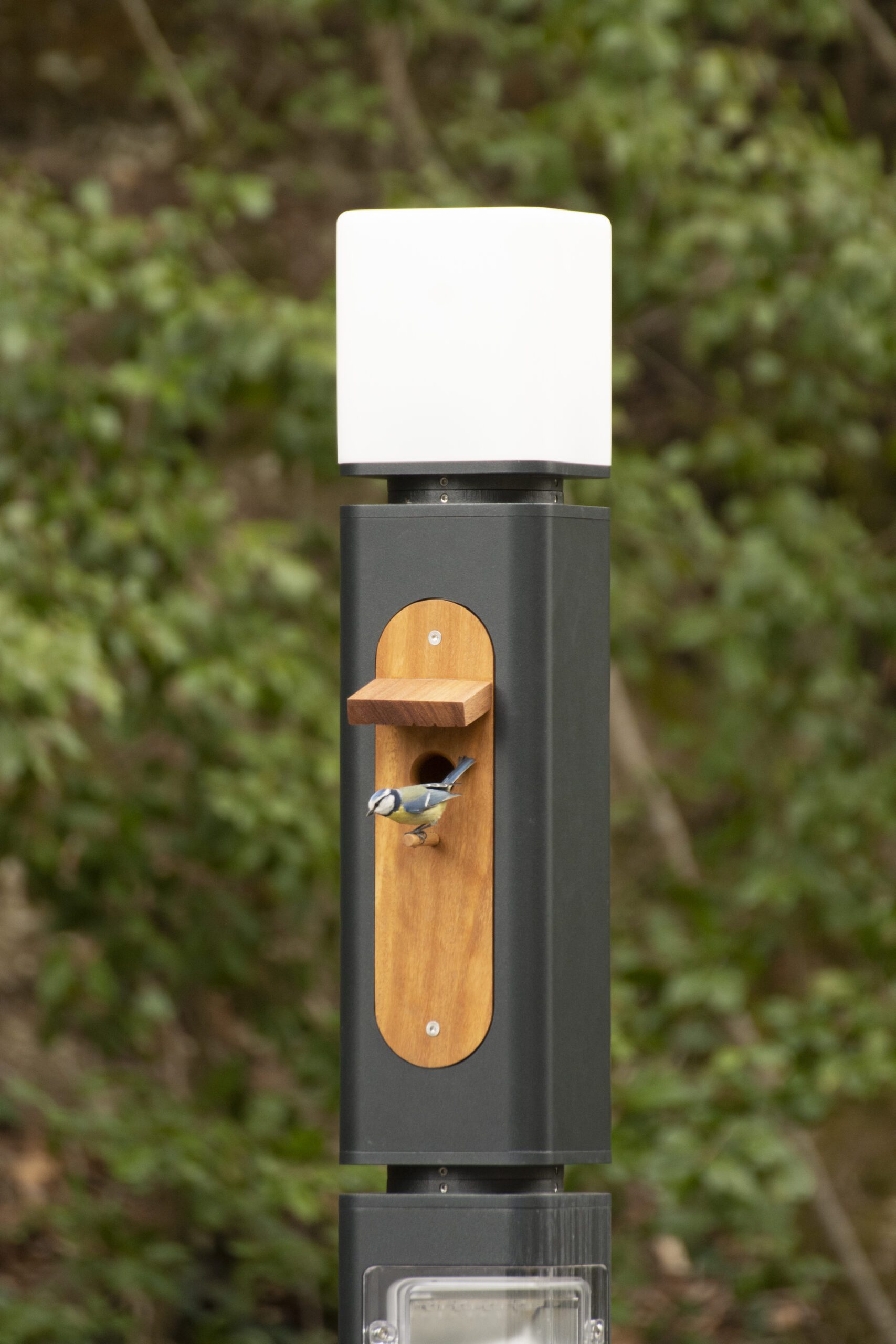
Envisagez de l’équiper d’accessoires pratiques pour la collectivité :
Recharge : Module USB pour la recharge de smartphones – Recharge de mobilités douces
Sécurité : Caméras de vidéo-protection
Communication : Haut-parleurs et/ou Gobo – Kakémonos pour la communication citoyenne
Pour le vivant : Nichoir pour petits oiseaux type mésanges
3 – Ignorer l’écosystème et son environnement
Chaque territoire possède ses propres écosystèmes naturels. Il est indispensable de prévoir un éclairage sobre et raisonné pour réduire l’impact de la lumière sur le vivant, au sens large.
Le GROUPE RAGNI a créé HARMOLIGHT® pour éclairer en harmonie avec le vivant.
Avec HARMOLIGHT® :
- Adaptez la température de couleur à chaque espace afin d’être le plus respectueux possible de la faune et de la flore ;
- Ajustez les optiques pour conserver des zones d’obscurité et limiter l’impact sur la biodiversité tout en préservant le ciel étoilé ;
- Éclairez uniquement lorsque cela est utile, avec une temporalité adaptée aux différents usagers de la nuit ;
- Grâce aux solutions solaires autonomes évitez de générer du génie civil, du bruit et des émissions de CO₂.
Le GROUPE RAGNI s’engage à vos côtés avec une production 100% française et locale — un atout clé pour renforcer votre politique d’achats responsables tout en réduisant l’empreinte carbone liée aux transports. Moins de kilomètres, plus de transparence et un impact positif pour vos objectifs RSE.
4 – Ne pas anticiper
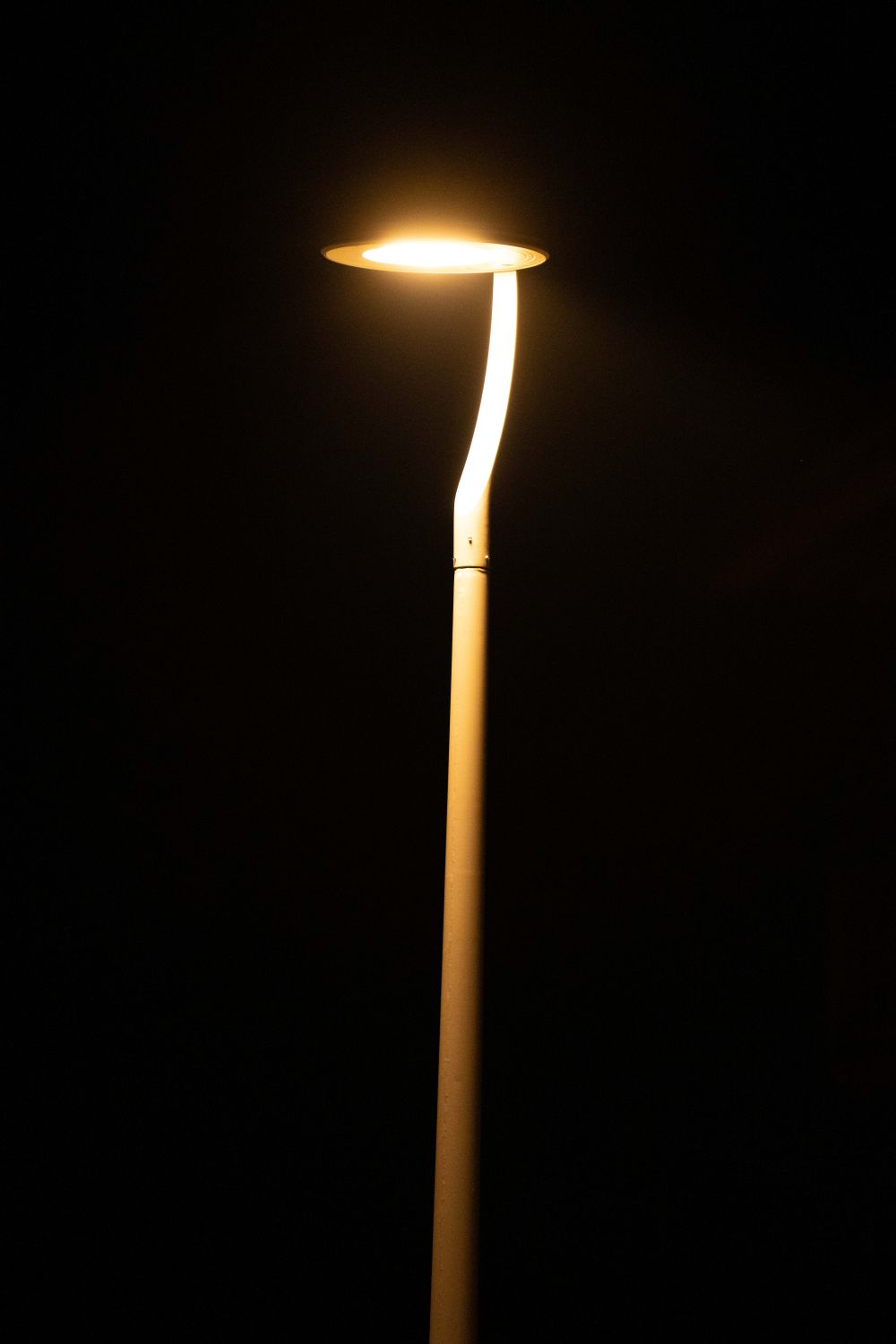
Un projet d’éclairage public, c’est un investissement sur plus de 20 ans : sa réussite dépend aussi de sa maintenabilité et de son évolutivité — deux piliers essentiels pour sécuriser vos aménagements et garantir un service optimal aux citoyens.
La maintenabilité des équipements
Opter pour des équipements de qualité, c’est bien. Pouvoir les entretenir facilement, c’est mieux. Une maintenance simplifiée assure la longévité de vos installations et limite les coûts cachés, tout en préservant la qualité de service pour les usagers.
L’évolutivité
Les villes évoluent, les technologies aussi. Votre éclairage public doit suivre ces évolutions.
Garantir l’évolutivité de vos luminaires c’est :
- Des performances optimisées grâce à des mises à jour technologiques.
- De nouvelles fonctionnalités intégrées sans tout remplacer.
- Une interopérabilité renforcée, notamment via la télégestion, pour connecter vos luminaires à d’autres services urbains.
L’éclairage public utilise majoritairement les standards Zhaga Book 13, 15 et 18 qui permettent aux collectivités de maintenir leurs solutions avec des éléments standards, plus disponibles que des solutions propriétaires. Standardisés, ces équipements vous permettent de profiter d’équipements de nouvelles générations
et ainsi de bénéficier de nouvelles fonctionnalités.
Résultat : plus de flexibilité, des mises à jour simplifiées et des ressources préservées.
En conclusion
En évitant ces 4 erreurs, votre projet d’éclairage public intègre les attentes de toutes les parties prenantes
(collectivités, usagers et de la biodiversité) pour un résultat durable, inclusif et responsable. De l’analyse de vos besoins à la mise en service, nous vous accompagnons pour un éclairage performant, évolutif et aligné avec les enjeux de durabilité.